Mitumba at a Crossroads: Can Kenya's Second-Hand Trade and a Textile Revival Share the Same Wardrobe?
Second-hand clothing dresses most of Kenya and employs millions, yet a renewed push to rebuild local textiles and cotton farming is reopening an old debate. Inside the numbers, the arguments and the difficult balancing act facing the country in 2026.
Walk through almost any Kenyan market and you will find them: towering bales of imported clothing, unpacked and sorted into neat piles for eager shoppers. Known locally as mitumba, this second-hand trade has become woven into the very fabric of how the nation dresses, shops and even earns a living.
Yet behind the bargains lies a debate that has simmered for years and is now heating up once more. As Kenya renews its ambitions to build a home-grown textile industry, a difficult question returns to the surface once again: can local production and second-hand imports truly coexist?
A Nation Dressed in Second Hand
The sheer scale of the mitumba trade is difficult to overstate. According to available figures, Kenya imports more than 100,000 tonnes of second-hand clothes, shoes and accessories every single year, a vast river of garments flowing steadily in from wealthier parts of the world.
Its reach into daily life is just as striking. Reports suggest that around 91.5 percent of Kenyan households rely on these second-hand garments, while the trade itself is estimated to employ close to two million people, from importers and sorters to the traders who run the busy market stalls.
The Case Against
For all its popularity, mitumba has its critics, and their concerns are serious ones. Local manufacturers argue that the flood of cheap imported clothing depresses demand for locally made apparel, making it far harder for domestic producers to find customers and to turn any kind of reliable profit.
The knock-on effects, they warn, run deep. When there is little market for home-made garments, there is little incentive to invest in cotton farming, garment production or the training of skilled workers, leaving an entire potential industry starved of the support it would need to grow.
The Case For
Others, however, urge caution before blaming mitumba for every economic woe. Some reports argue that Kenyans actually spend more money on brand-new purchases than on second-hand items, and that there is little firm evidence the trade is genuinely crippling local textile producers.
For millions of families, the appeal is simply practical. Second-hand clothing offers quality garments at prices that locally made or brand-new imports often cannot match, making it an affordable lifeline in a country where every shilling counts and household budgets are frequently stretched thin.
Reviving the Cotton Fields
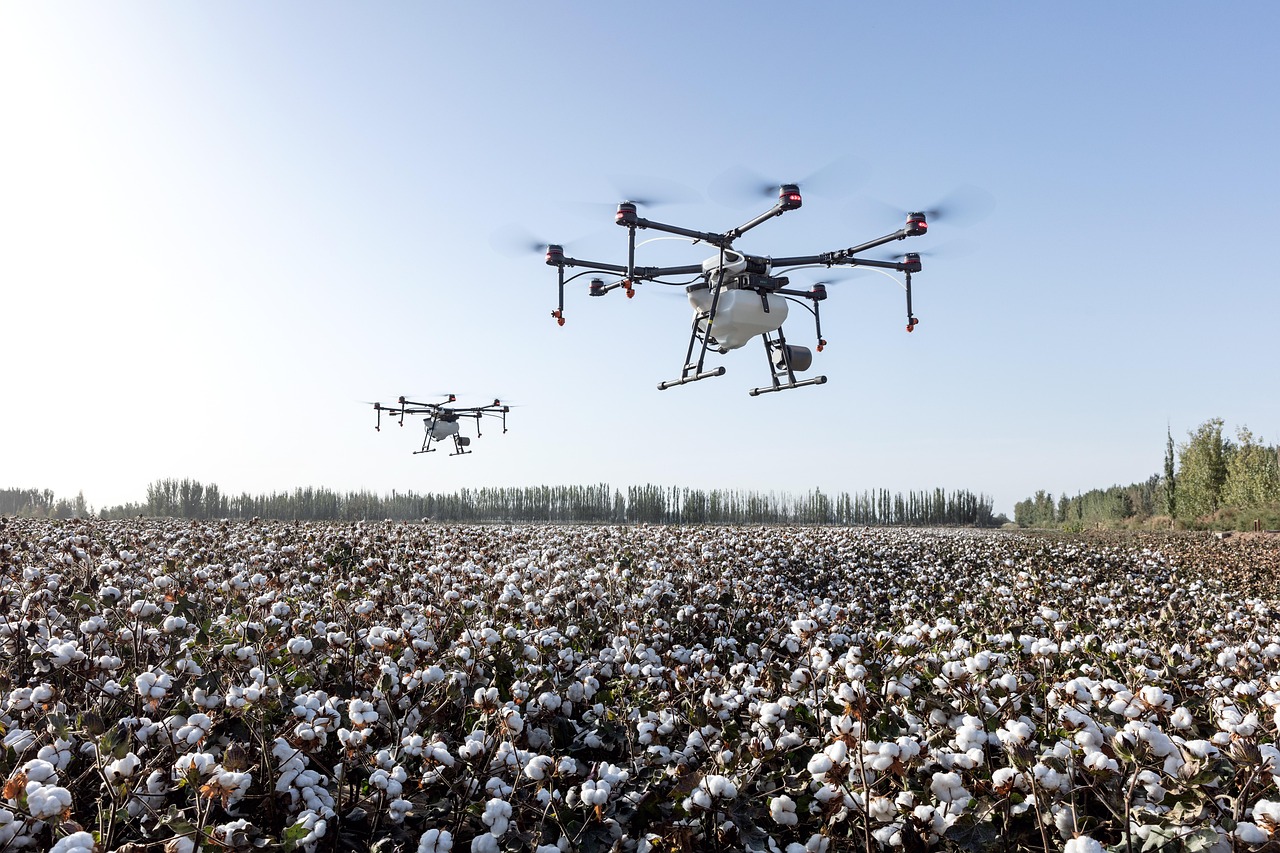
Against this backdrop, Kenya is once again turning its attention back to the land. The Kenya Agriculture and Livestock Research Organisation, known as Kalro, has reportedly planted the country's first Bt cotton for environmental testing in Kibos, in Kisumu County, a notable step toward reviving the once-abandoned crop.
The government has also tried to sweeten the deal for farmers. As of 2024, it set a minimum price for seed cotton of 72 shillings per kilogram, a significant increase designed to tempt growers back to a crop that many had long since abandoned in favour of more reliable alternatives.
A Difficult Dilemma
Yet reviving cotton alone does not settle the bigger question. The country now faces a genuine dilemma, caught between re-awakening local garment manufacturing and simply growing cotton for export and processing zones while continuing to import used clothes much as it does today.
Each path carries very different consequences for jobs, skills and national pride. Building a full garment industry could create employment and value at home, while an export-focused model might prove easier to achieve but would leave Kenyans still largely dependent on the cast-off wardrobes of others.
Finding the Balance
Many observers believe the answer lies not in outright bans but in careful balance. Stronger enforcement of policies that favour local procurement and manufacturing, alongside proper taxation of imported goods, could give domestic producers the breathing room they need to compete and to invest with genuine confidence.
The goal, most agree, is not to erase mitumba entirely, since the trade supports far too many livelihoods to be lightly dismissed. Instead, the challenge is to create enough space for local textiles to flourish beside it, allowing Kenya to dress itself, in time, in clothes it has grown and made at home.